

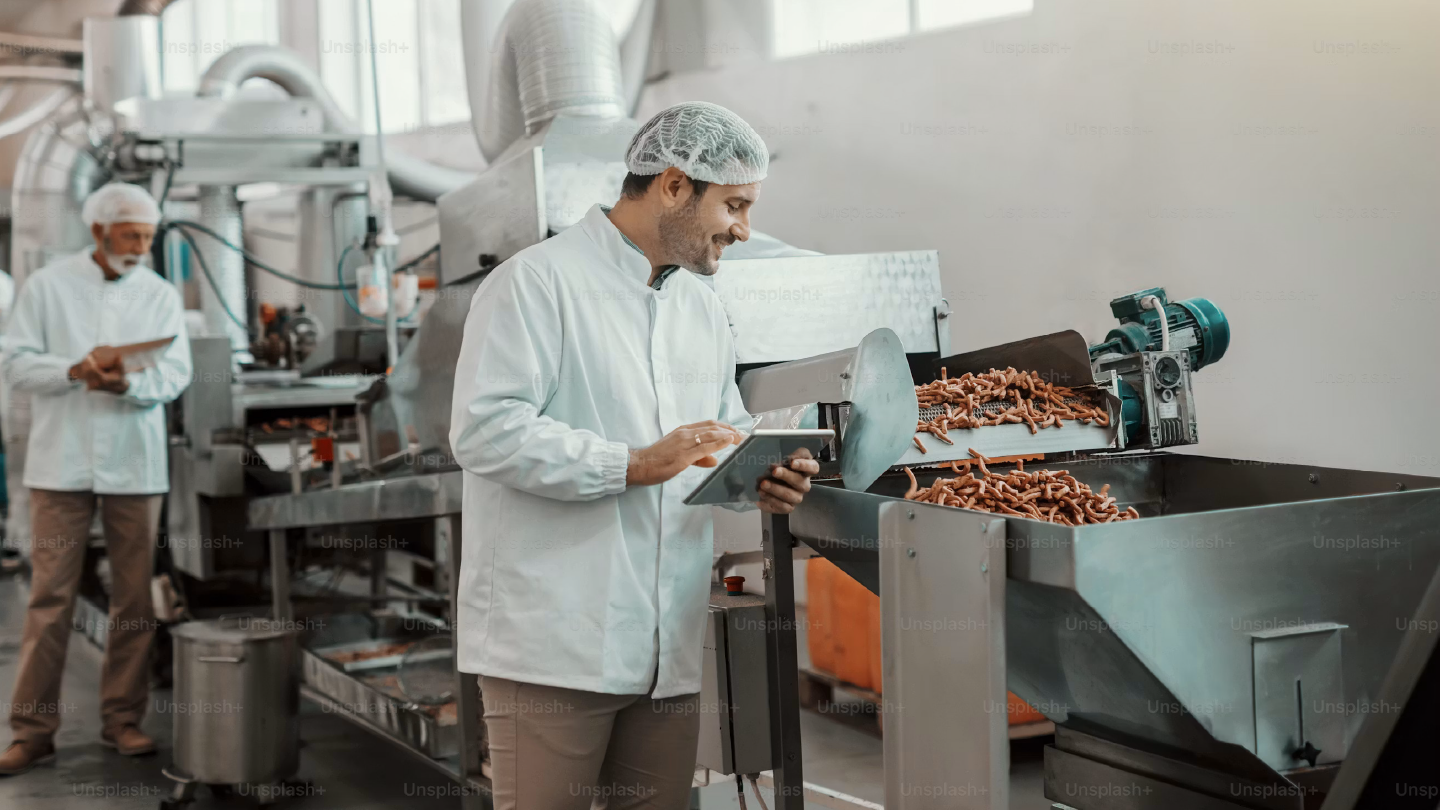
Undeclared food allergens are the single leading cause of food product recalls worldwide. Under FSSAI regulations and global safety frameworks (like GFSI, BRCGS, and ISO 22000), food processing facilities must strictly prove that a production line is free of allergen residue before switching from one product SKU to another.
However, specific lateral flow test strips for individual allergens (like milk, peanut, or soy) can be expensive and require maintaining multiple inventory SKUs for every allergen present in your facility.
Enter Hygiena AllerSnap™, a high-sensitivity, broad-range protein residue test that provides a simple, colourimetric answer to line cleanliness in minutes. Here is how implementing AllerSnap™ streamlines your allergen control program while saving your facility time and money.
1. Why Test for General Protein Residue?
All major food allergens, including milk, eggs, peanuts, tree nuts, soy, wheat, fish, and crustaceans are proteins.
While standard ATP hygiene tests verify overall biological cleanliness, ATP alone does not directly measure protein content. Hygiena AllerSnap™ works on the biuret reaction principle, detecting down to 3 µg of protein on a swabbed surface.
If AllerSnap™ returns a negative result (meaning no detectable protein is left on the food contact surface), you can safely confirm that allergenic proteins have been removed by your cleaning protocol.
Key Advantage: Instead of buying separate test kits for peanut, soy, and gluten, a single box of AllerSnap™ covers broad-spectrum protein verification across your entire facility.
2. How AllerSnap™ Works: Simple Colourimetric Testing
One of the biggest strengths of AllerSnap™ is its simplicity. It requires no complex laboratory equipment or specialized training for line operators.
[Swab 10x10cm Area] ➔ [Snap & Squeeze Reagent] ➔ [Incubate 15-30 Mins] ➔ [Read Colour]
- Swab: Using the pre-moistened swab, thoroughly sample a 10 x 10 cm area in a crisscross pattern.
- Activate: Snap the patented Snap-Valve™ at the top of the tube and squeeze the liquid reagent down the shaft to bathe the swab tip.
- Incubate: Place the swab tube into a small digital dry block incubator (15 minutes at 55°C or 30 minutes at 37°C).
- Read Results: Compare the reagent colour against the chart on the swab tube label:
- 🟢 Green = PASS: Clean surface. No protein/allergen detected. Safe to start the next production line run.
- ⚪ Grey = CAUTION: Trace amounts present. Re-rinse or re-clean as per protocol.
- 🟣 Purple = FAIL: High protein/allergen contamination detected. Immediate re-cleaning required.
3. Best Practices for Line Changeovers
To get the most accurate results and eliminate false readings during your sanitation audits, keep these operational tips in mind:
- Test After Rinsing, Before Sanitizing: Always collect your AllerSnap™ sample after detergent washing and rinsing, but before applying terminal chemical sanitizers. Testing prior to sanitization prevents chemical interference and ensures you aren't wasting sanitizer on a dirty surface.
- Don't Overload the Swab: AllerSnap™ is engineered to detect trace, invisible micro-residues. Swabbing a surface with heavy visible food debris can overload the reagent. If a line is visibly dirty, re-wash it first.
- Integrate with Digital Incubation: Utilizing Hygiena's small digital dry-block incubators ensures precise, stable temperatures for consistent 15-minute turnaround times on the factory floor.
Protect Your Brand & Satisfy Auditors with Duke Thomson’s
A single allergen cross-contamination incident can lead to brand-damaging recalls and heavy regulatory penalties. Implementing Hygiena AllerSnap™ into your post-cleaning verification workflow gives your QA team real-time confidence and audit-ready data.
At Duke Thomson’s, we supply genuine, factory-fresh Hygiena AllerSnap™ Allergen Prevention Test Kits with fast delivery across India.


